
Optimal Timing for Fire Restorations
Determining the optimal time for fire restorations involves considering various environmental and structural factors. The best period typically aligns with conditions that facilitate safe and effective repair work, including dry weather and moderate temperatures.
Spring and early summer often provide ideal conditions for fire restorations due to lower humidity and stable weather patterns.
Dry weather reduces the risk of further damage and allows for better access and safety during restoration processes.
Assessing the stability of the affected structures is crucial; restorations should be scheduled when structures are least likely to collapse or sustain additional damage.
Post-fire periods, after containment and safety assessments, are optimal for comprehensive restoration efforts.
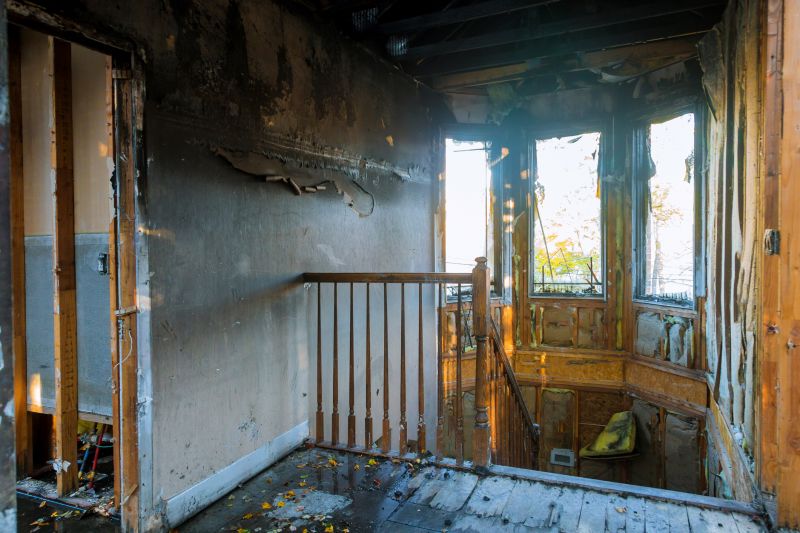
Evaluating the extent of damage is a critical first step in planning restoration.
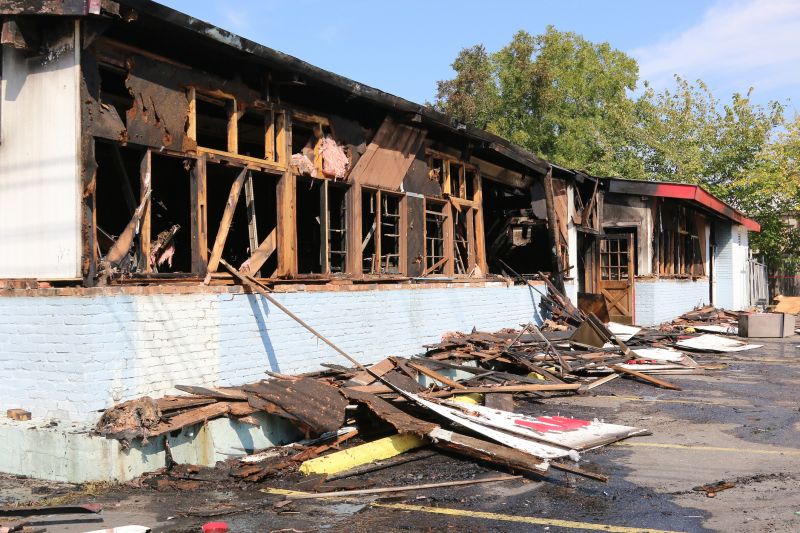
Scheduling restorations during favorable weather ensures efficiency and safety.
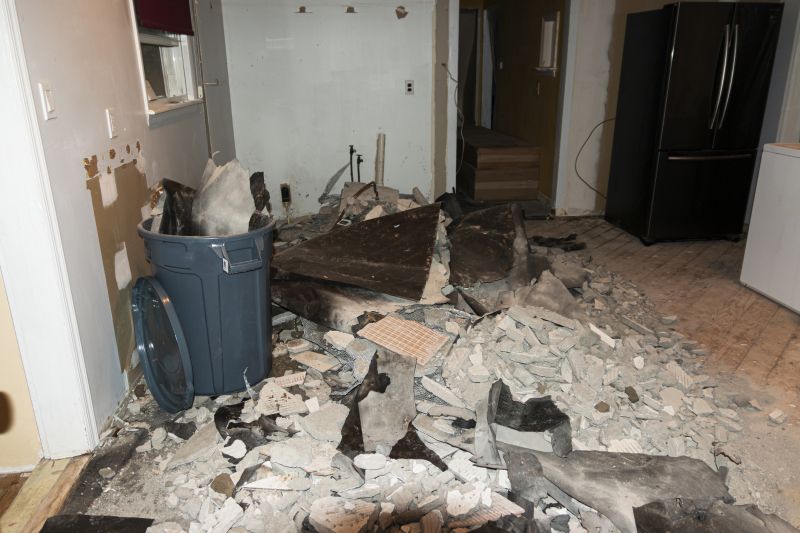
Cleaning debris and assessing structural integrity are key early steps.
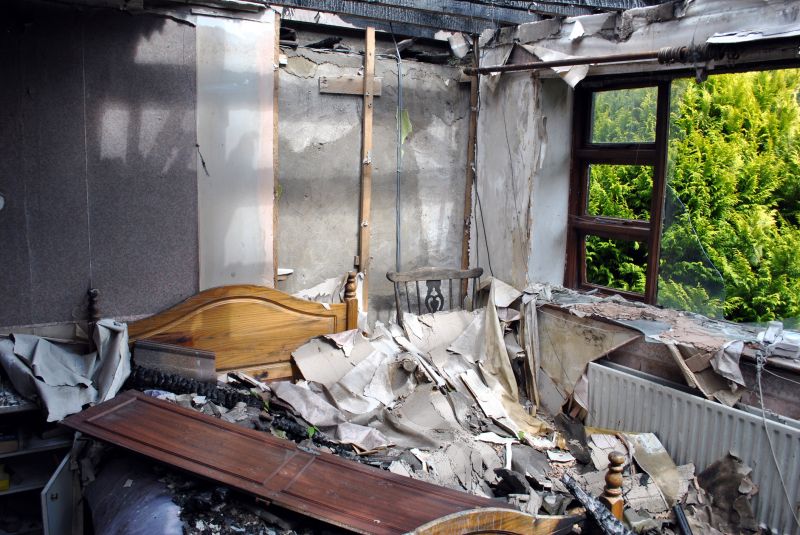
Ways to make Fire Restorations work in tight or awkward layouts.
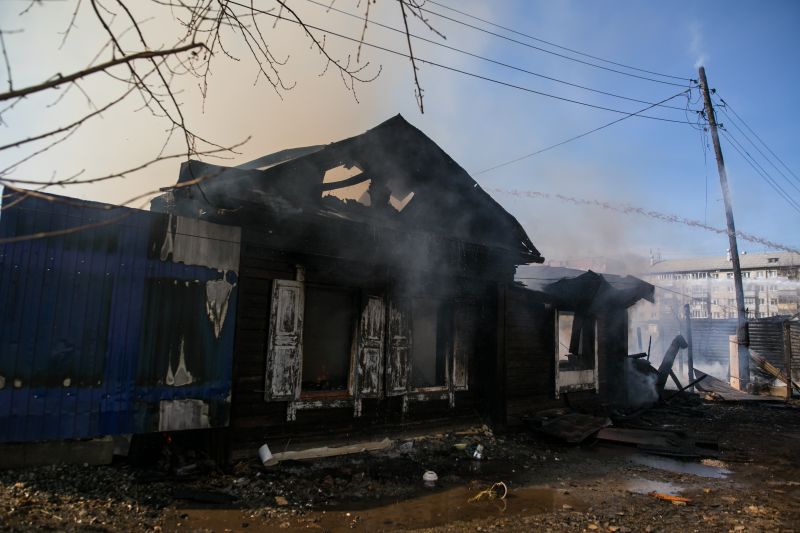
Popular materials for Fire Restorations and why they hold up over time.
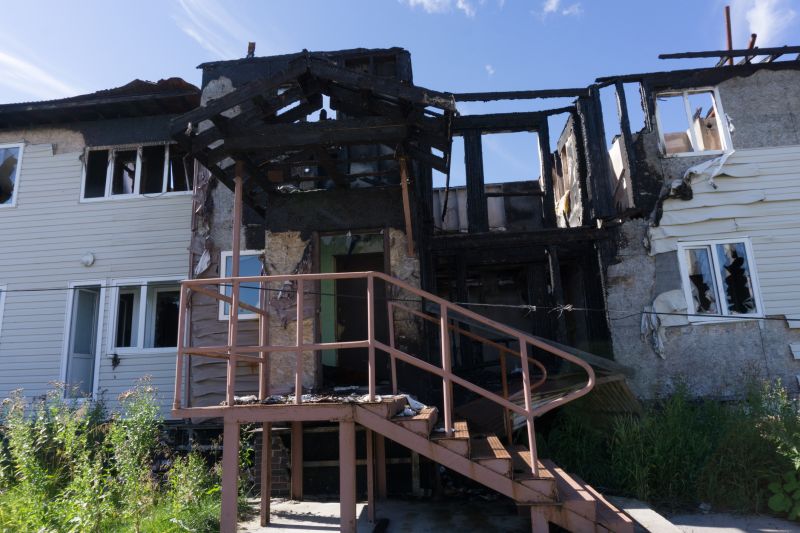
Simple add-ons that improve Fire Restorations without blowing the budget.
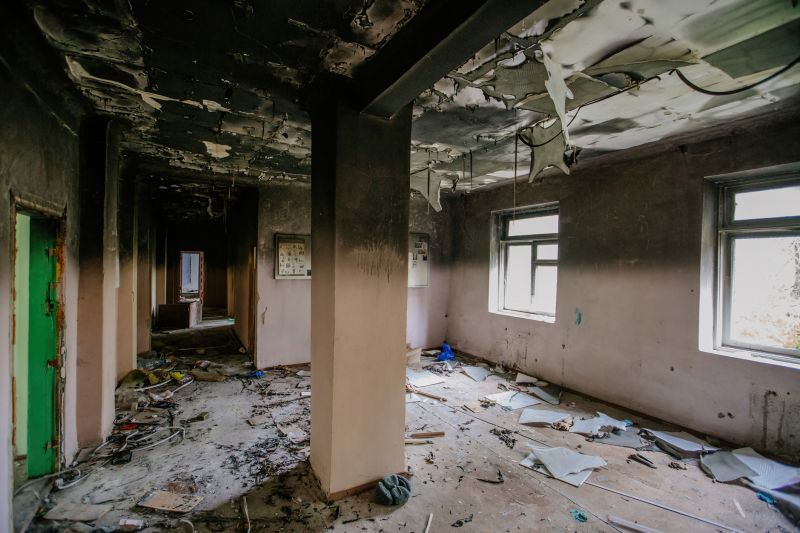
High-end options that actually feel worth it for Fire Restorations.
Finishes and colors that play nicely with Fire Restorations.
| Factor | Optimal Timing |
|---|---|
| Weather Conditions | Dry and mild weather |
| Structural Stability | When structures are stable enough for work |
| Fire Season | Post-fire containment and safety clearance |
| Emergency Response | Immediately after fire suppression |
| Seasonal Factors | Spring and early summer |
Fire restorations involve a series of complex procedures aimed at repairing and restoring properties affected by fire damage. This process includes debris removal, structural assessment, smoke and soot cleaning, and repairs to damaged materials. The timing of these activities is crucial to ensure safety, efficiency, and the effectiveness of restoration efforts.
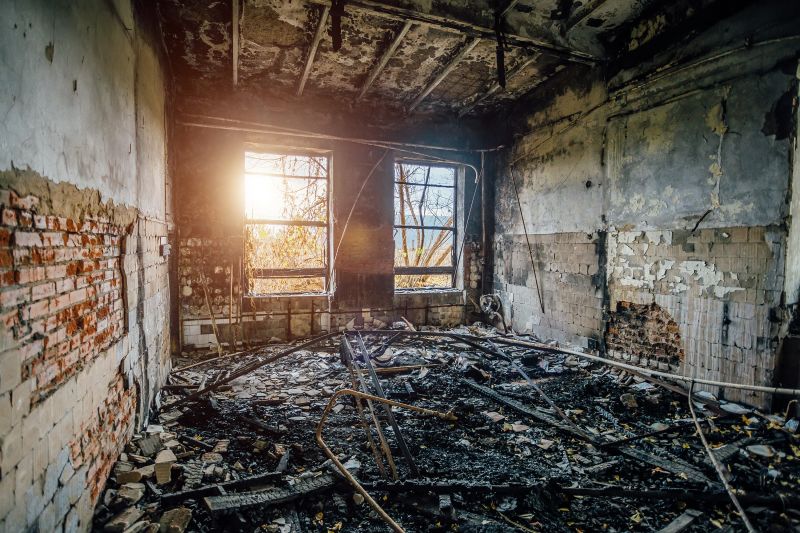
Removing debris and preparing the site for repairs.
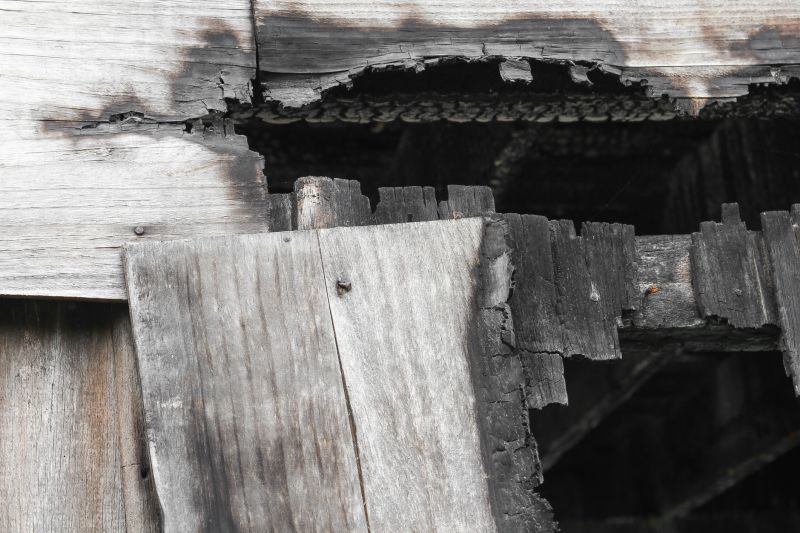
Reinforcing or replacing compromised structures.
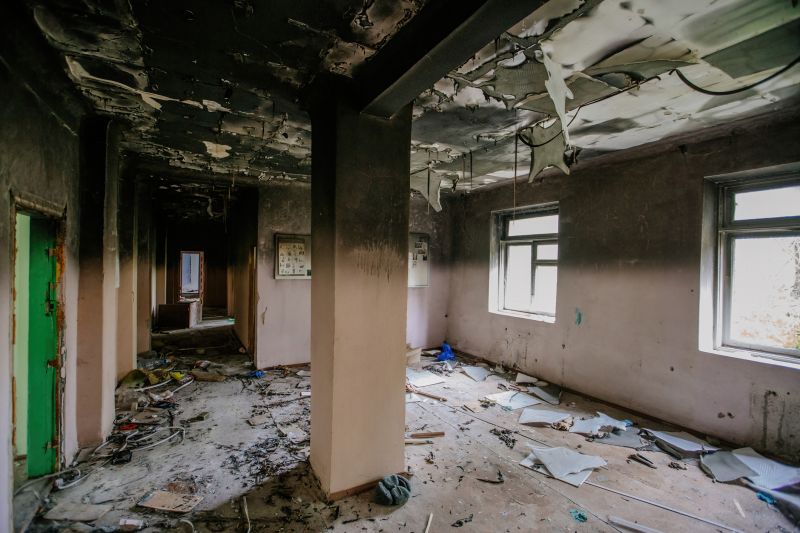
Cleaning surfaces affected by smoke residue.
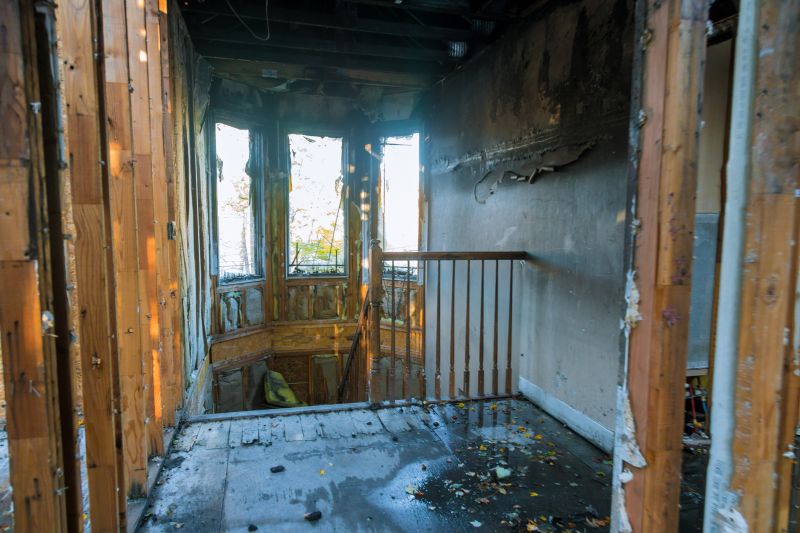
Final touches to restore property to pre-fire condition.
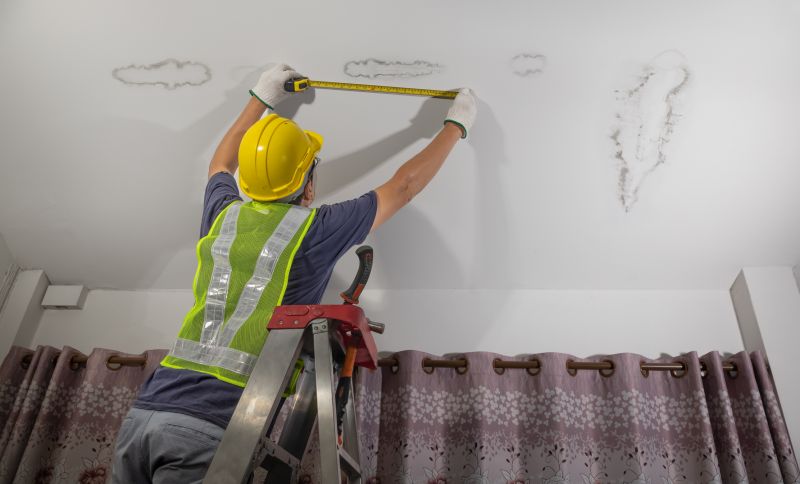
Little measurements that prevent headaches on Fire Restorations day.
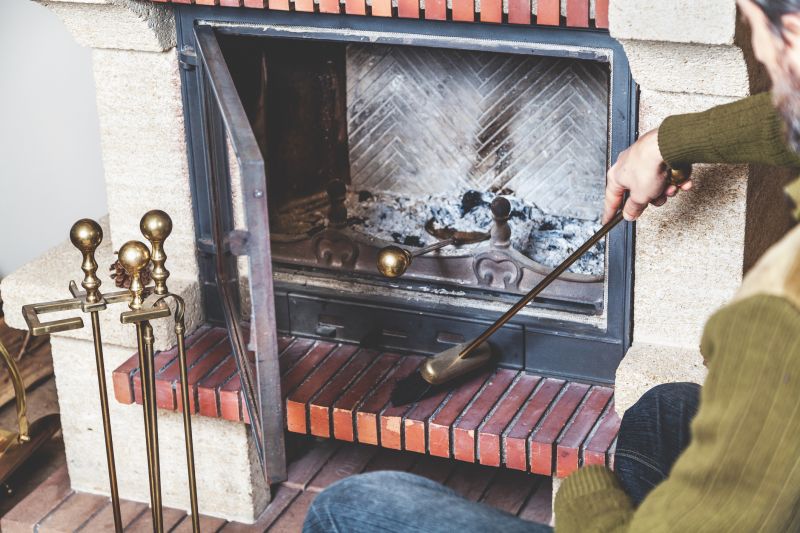
A 60-second routine that keeps Fire Restorations looking new.
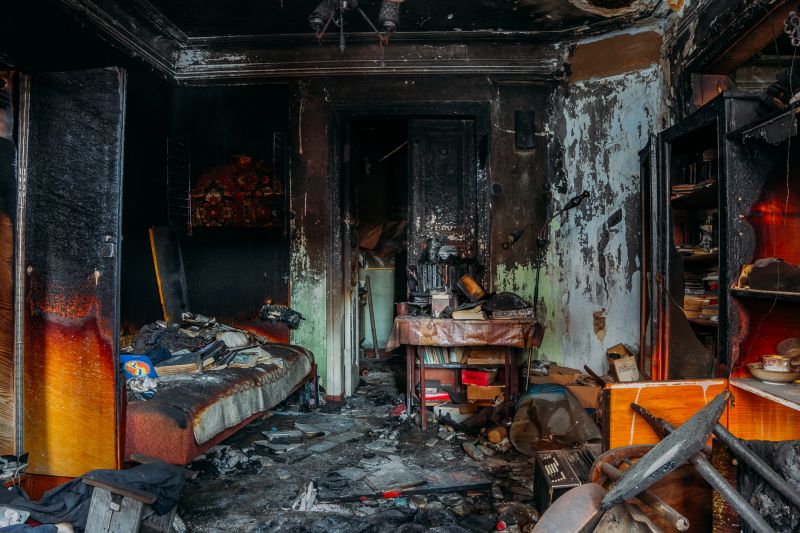
A frequent mistake in Fire Restorations and how to dodge it.

Small tweaks to make Fire Restorations safer and easier to use.
Properly timed fire restorations can significantly reduce long-term damage and facilitate a safer recovery process. It is essential to coordinate with professionals to identify the best window for beginning repairs, considering weather, structural stability, and fire season conditions.