
Favorite Fire Restoration Equipment For Efficient Cleanup
Identify top-rated tools and materials that help streamline the fire damage restoration process.
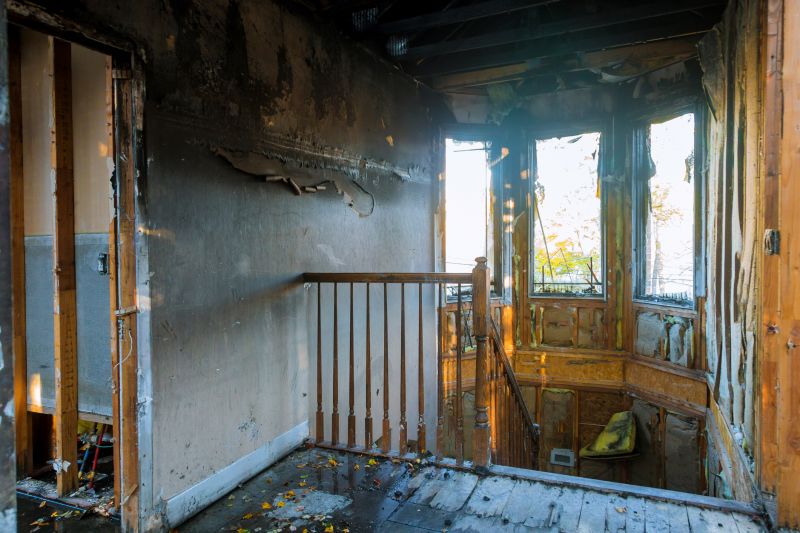 Fire restoration products are essential tools and materials used to repair and rehabilitate properties affected by fire damage. These products help mitigate the effects of smoke, soot, and heat, enabling property owners and restoration professionals to restore structures safely and efficiently. From cleaning agents to structural repair materials, the right selection of products can significantly impact the effectiveness of the restoration process.
Top Overall Option
Multi-Use Fire Damage Restoration Kit
A comprehensive kit that includes cleaning solutions, sealants, and safety gear designed to address various aspects of fire damage restoration. It offers versatility for different surfaces and damage levels, making it suitable for both professionals and serious DIY restorers.
Types of Products For Fire Restorations
Soot and Smoke Cleaners
Specialized solutions formulated to remove soot and smoke residues from surfaces, fabrics, and HVAC systems.
Deodorizing Agents
Products designed to neutralize persistent smoke odors and freshen affected areas.
Fire-Resistant Sealants
Materials used to seal cracks and joints, preventing the spread of smoke and heat.
Structural Repair Boards
Fire-resistant panels used to restore structural integrity after damage.
Water Damage Control Products
Fans, dehumidifiers, and moisture absorbers to manage residual water from firefighting efforts.
Protective Gear
Safety equipment including respirators, gloves, and coveralls for workers involved in restoration.
Fire-Resistant Paints and Coatings
Coatings that provide an additional layer of fire resistance to surfaces.
HVAC Cleaning Products
Solutions to thoroughly clean and disinfect heating, ventilation, and air conditioning systems.
Mold Prevention Products
Antimicrobial treatments to prevent mold growth in damp areas post-fire.
Electrical Repair Supplies
Components and tools for safe electrical system restoration after fire damage.
Fire-Resistant Drywall
Special drywall designed to withstand higher temperatures and prevent fire spread.
Emergency Lighting and Signage
Lighting and signs to ensure safety during the restoration process.
Cleaning Cloths and Sponges
Absorbent materials for manual cleaning and soot removal.
Industrial Vacuums
Heavy-duty vacuums equipped to handle soot, ash, and debris.
Fire Damage Assessment Tools
Equipment for evaluating the extent of damage and planning restoration steps.
Popular Choices
Effective for quick cleaning of soot from various surfaces.
Long-lasting products to combat stubborn smoke odors.
Seals gaps and cracks to contain fire and smoke spread.
Help circulate air and dry affected areas rapidly.
Essential for safe cleanup in smoky environments.
Used to rebuild and reinforce damaged structures.
Convenient for quick surface cleaning and soot removal.
Assist in detecting hidden hotspots and assessing damage.
Designed for deep cleaning soot from carpets and upholstery.
All-in-one solutions for comprehensive fire damage cleanup.
Materials used to replace or upgrade flooring for added safety.
Control moisture levels to prevent mold and further damage.
Secure storage for important documents and valuables during restoration.
Variety of brushes designed for soot and residue removal.
Digital tools to help evaluate damage and plan restoration.
Seal and insulate areas exposed to heat.
Materials used to insulate and protect structures from heat.
In fire restoration, cleaning and deodorizing are critical steps. Specialized cleaning solutions are formulated to remove soot and smoke residues from surfaces, fabrics, and HVAC systems. Deodorizing products help eliminate persistent odors that can linger long after the flames are extinguished. Structural repair materials, such as fire-resistant boards and sealants, are used to restore integrity and prevent further damage.
Safety is paramount during fire restoration, and this extends to the products used. Fire-resistant barriers and protective gear ensure the safety of workers and occupants during the cleanup process. Additionally, moisture control products like industrial fans and dehumidifiers are often employed to prevent mold growth and further deterioration caused by water used during firefighting efforts.
Choosing the right fire restoration products depends on the extent of damage, the materials involved, and the specific needs of the property. Professionals often rely on a combination of cleaning agents, sealants, structural materials, and safety equipment to achieve optimal results. Proper training and knowledge about each product’s application are essential for effective restoration, ensuring the property is safe, clean, and restored to its pre-fire condition.
Key Buying Considerations
- Extent of fire and smoke damage to determine the necessary products.
- Type of materials affected, such as wood, drywall, or fabric.
- Effectiveness of cleaning solutions for soot and smoke residues.
- Safety features of protective gear for workers.
- Compatibility of sealants and coatings with existing surfaces.
- Moisture levels and the need for dehumidification or drying equipment.
- Odor removal capabilities of deodorizing products.
- Ease of application and user-friendliness of products.
- Durability and fire resistance ratings of structural repair materials.
- Availability of comprehensive kits versus individual products.
- Environmental conditions of the property, such as humidity and temperature.
- Regulatory standards and certifications for fire restoration products.
- Budget constraints and cost-effectiveness of solutions.
- Compatibility with existing restoration equipment.
- Training or instructions required for proper product use.